What a thermal bag really does
A thermal bag does not heat anything. It slows the heat escaping from food, and slows warmth getting into cold items. Good insulation buys you minutes. That matters when a pizza, a curry or an ice cream order spends twenty minutes between the kitchen and the doorstep.
The money case is simple. A bag that protects food saves you the lost tips, bad ratings and refunded orders that come with lukewarm meals. It also protects the restaurant's reputation, which protects your supply of orders.
Size, shape and stiffness
- Size: choose a bag that fits your typical order. A 16-inch pizza box lying flat is a common benchmark. Too big and heat escapes into empty space. Too small and orders get crushed.
- Rigid walls: floppy bags squash burgers and tip drinks. Stiff panels keep boxes flat and let you stack orders.
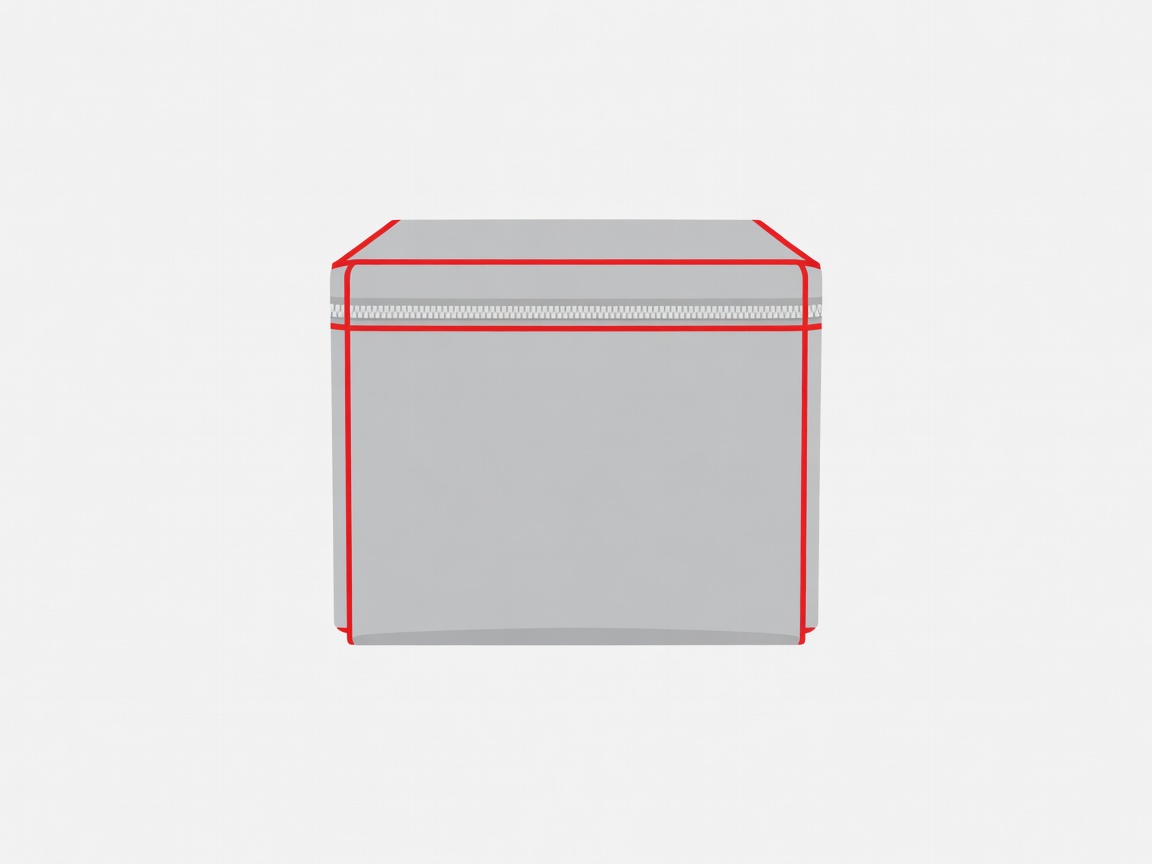
- Zip and flap: a full-width opening speeds up loading. A sealed flap and tight zip keep heat in.
- Straps: padded handles and a backpack harness for riders. Test the weight when full.
- Liner: a smooth wipe-clean lining is easier to keep hygienic than fabric.
Temperatures worth knowing
Food safety guidance is clear that hot food should stay above 63°C and chilled food should stay cool, with 8°C as the legal maximum in the UK and 5°C or lower recommended by the Food Standards Agency. Rules vary by country and by business, so treat these as reference points, not legal advice. Your platform or restaurant may set its own standards.
A cheap probe thermometer in your bag pocket lets you check rather than guess. For cold orders, add a frozen gel pack. For hot ones, preheating the bag with a warm pack can help in winter.
Packing the bag properly
- Pack hot items at the bottom and cold items in a separate bag if you can.
- Keep drinks upright, wedged between boxes or in a divider.
- Do not open the bag more than needed between stops.
- Keep the bag level in the vehicle. On a scooter or bike, secure it to the rack with a bungee or strap.
- Never place the bag on a dirty floor and then on a customer's table.
Cleaning and hygiene
Wipe the lining at the end of every shift with a food-safe sanitiser. Leave the bag open to air overnight, and give it a deeper clean weekly. Replace it when the seams split or the lining cracks, because damaged insulation no longer holds heat and is hard to clean.
For parcel drivers: crates and trolleys
Parcel rounds need a different kind of carry kit. Stackable crates keep parcels sorted by order of delivery. A folding sack truck or compact trolley saves your back on heavy loads. Cable ties, a few straps and a roll of tape deal with the odd damaged box. Group parcels by street rather than by size and you will spend less time hunting through the van.
Check your platform's rules before you buy: some require branded bags and some have their own approved kit. Next, look after your back and wrists.
What size thermal bag should I buy?
Pick one that fits your typical order, such as a 16-inch pizza box flat, and leave room for stacked orders without crushing them.
How often should I clean a delivery bag?
Wipe the inside at the end of every shift and give it a deeper clean weekly, so spills do not turn into smells or contamination.