The drain nobody budgets for
A delivery phone works harder than almost any other. GPS runs all day. The screen stays bright in glare. Mobile data hunts for signal between estates and tower blocks. The camera fires for proof of delivery. Cold weather and an ageing battery make it worse.
As a planning rule, aim to carry two or three extra charges' worth of power on a ten-hour shift. That is an estimate, not a measurement, so adjust it after a week of watching your own battery graph.
Car charger first, power bank second
If you drive, start with the vehicle. The 12V socket, the old cigarette-lighter port standardised as ISO 4165, will run a charger all day for free. Choose one with a USB-C Power Delivery port rated at 20 to 30 W so the phone charges even while navigation runs.
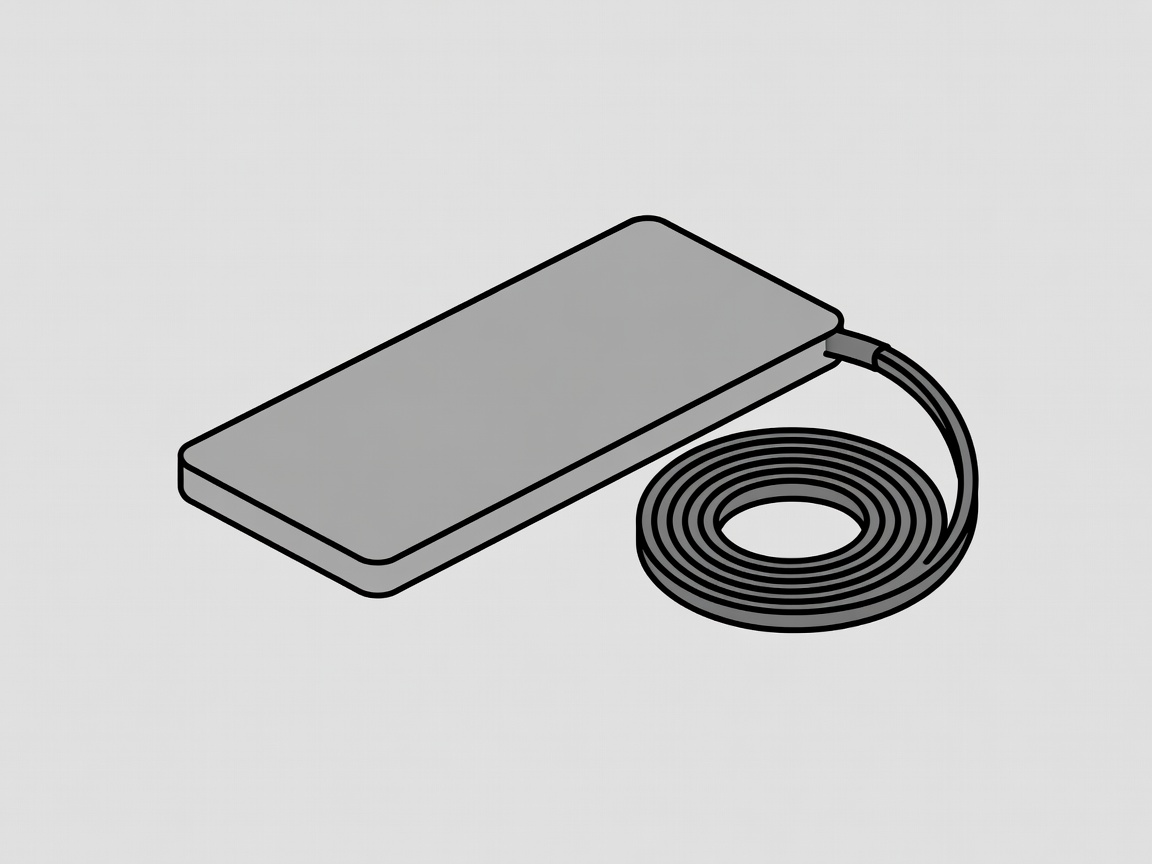
Then add a power bank for the moments you are out of the cab: bike and scooter riders, on-foot city couriers, and van drivers on long walks to the door. A 10,000 mAh pack gives roughly two phone charges in real use, because some energy is lost in conversion. A 20,000 mAh pack is heavier and rarely needed unless you work far from the vehicle.
Cables that survive a shift
- Choose braided or reinforced cables with strain relief at both ends.
- Keep it short, around 0.5 to 1 metre, so it cannot snag the gear lever or handlebar.
- Right-angle plugs help when the phone sits in a mount.
- Buy certified cables. USB-IF certification matters for USB-C, and MFi for older Lightning phones.
- Carry a spare. A frayed cable always dies at the worst moment.
Wireless pads: handy, but hot
Qi wireless charging, from the Wireless Power Consortium, is convenient in a dash mount because you can drop the phone on and go. It is slower than a cable and produces more heat, which in summer sun can make the phone throttle or stop charging. Use wireless in cool weather and for top-ups, and rely on a cable when the battery is low.
Cold, rain and rough handling
Lithium batteries lose capacity in the cold. If you ride in winter, keep the power bank in an inside pocket and run the cable out to the phone. For bikes and scooters, look for an ingress rating such as IP65 or IP67, defined in IEC 60529, which tells you how well a device resists dust and water. A rating is only as good as the closed port cover, so keep the flap shut.
Use power gear safely
Buy from reputable sellers. Do not use a power bank that is swollen, hot to the touch or damaged. Never leave one in a hot parked vehicle, and keep it out of direct sun on the dash. Route cables so they cannot tangle with your controls. A charging plan should make you calmer, not distracted.
Back to the mount guide, or carry on to Bags, crates and cold-hold.
How big a power bank do I need?
A 10,000 mAh pack usually gives around two phone charges in real use. Go larger only if you spend long periods away from the vehicle.
Is fast charging bad for my phone battery?
Modern phones manage fast charging well. Heat is the bigger enemy, so keep the phone out of direct sun while it charges.